Cutting Costs by Shifting Load Away from Peak Hours
Neva Otomasyon · 13.07.2026 · 6 min read
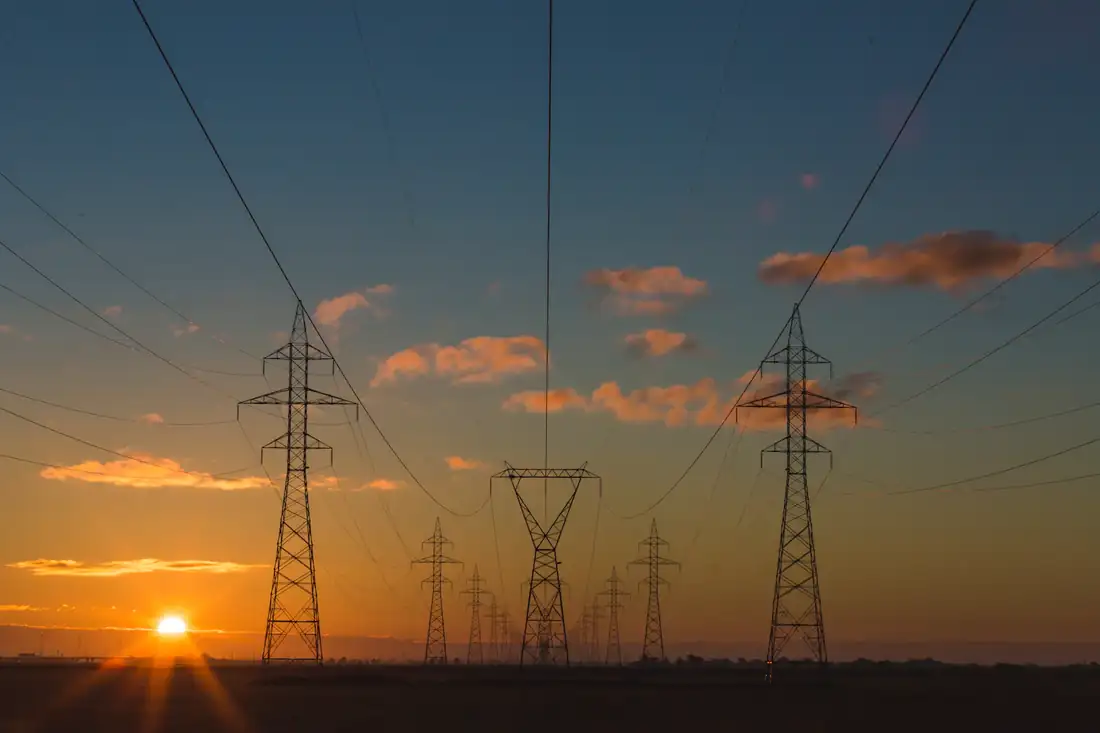
For commercial and industrial customers in Turkey, a large share of the electricity bill depends on when energy is consumed rather than how much. Under a three-period time-of-use tariff, the same kilowatt-hour can cost very different amounts depending on the hour. This article explains the peak window, which loads are shiftable, and how Argus EMS turns this insight into measurable savings.
How Time-of-Use Tariffs Work
In the three-period tariff regulated by EPDK, the day is split into off-peak, peak and night periods. The night period is the cheapest, while the peak period is clearly the most expensive. The peak window usually coincides with the evening demand surge, and the exact hours can change with the season and regulation. The principle is simple: move energy used during costly peak hours into cheaper periods wherever possible.
| Time Period | Relative Cost | Recommended Strategy |
|---|---|---|
| Night | Lowest | Run deferrable loads, charge batteries and thermal storage |
| Day | Medium | Shift continuous operations here, schedule flexible production |
| Peak | Highest | Pause non-essential loads, discharge storage, cap demand peaks |
The Logic of Load Shifting
Load shifting means changing the timing of consumption without reducing the total amount of energy used. A facility does the same work but moves its energy-intensive steps out of the peak window into cheaper periods. This approach usually pays back faster than efficiency investments because it often requires no extra hardware, only a rescheduled operating plan.
Which Loads Can Be Shifted?
Not every load is flexible, but in a typical facility a meaningful share is. Making these loads visible by time period with Argus EMS helps prioritise the best opportunities.
- Pumps and water conditioning: Tank and booster filling can move to the night period.
- Cooling and HVAC: Cold rooms and chillers can be pre-cooled before the peak window.
- Battery storage: A battery charged at night discharges during peak to meet demand.
- Thermal storage: Hot water and ice storage produce energy cheaply and use it during costly hours.
- Charging stations: Fleet and vehicle charging is scheduled overnight to reduce peak load.
Demand Management and Simultaneity
A key risk in load shifting is simultaneity. Piling all deferred loads into a single hour creates a new peak and threatens both contracted capacity and demand charges. Demand management spreads loads across time to avoid both peak energy charges and excessive demand spikes. Argus EMS monitors the live power curve and surfaces simultaneity risks early.
A Simple Savings Example
Consider a facility that operates four hours a day and can move half of its peak-window consumption into the night period. Because the night tariff is clearly cheaper than peak, every shifted kilowatt-hour produces direct savings. Repeated across the year, this difference becomes a meaningful budget line with no additional investment. Argus EMS tracks the opportunity continuously through time-period reports and peak alerts, while the Neva Otomasyon team helps tailor the strategy to each site.
Visibility with Argus EMS
Load shifting rests on measurement: you cannot choose what to shift without knowing what you consume and when. Argus EMS separates consumption by the three tariff periods, raises alerts before the peak window begins, and flags shifting opportunities automatically. This lets the operations team decide from data instead of intuition.
Related Content