What Is a Transformer Monitoring System?
Transformer Monitoring in Industrial Facilities
10.05.2026 · 7 min read
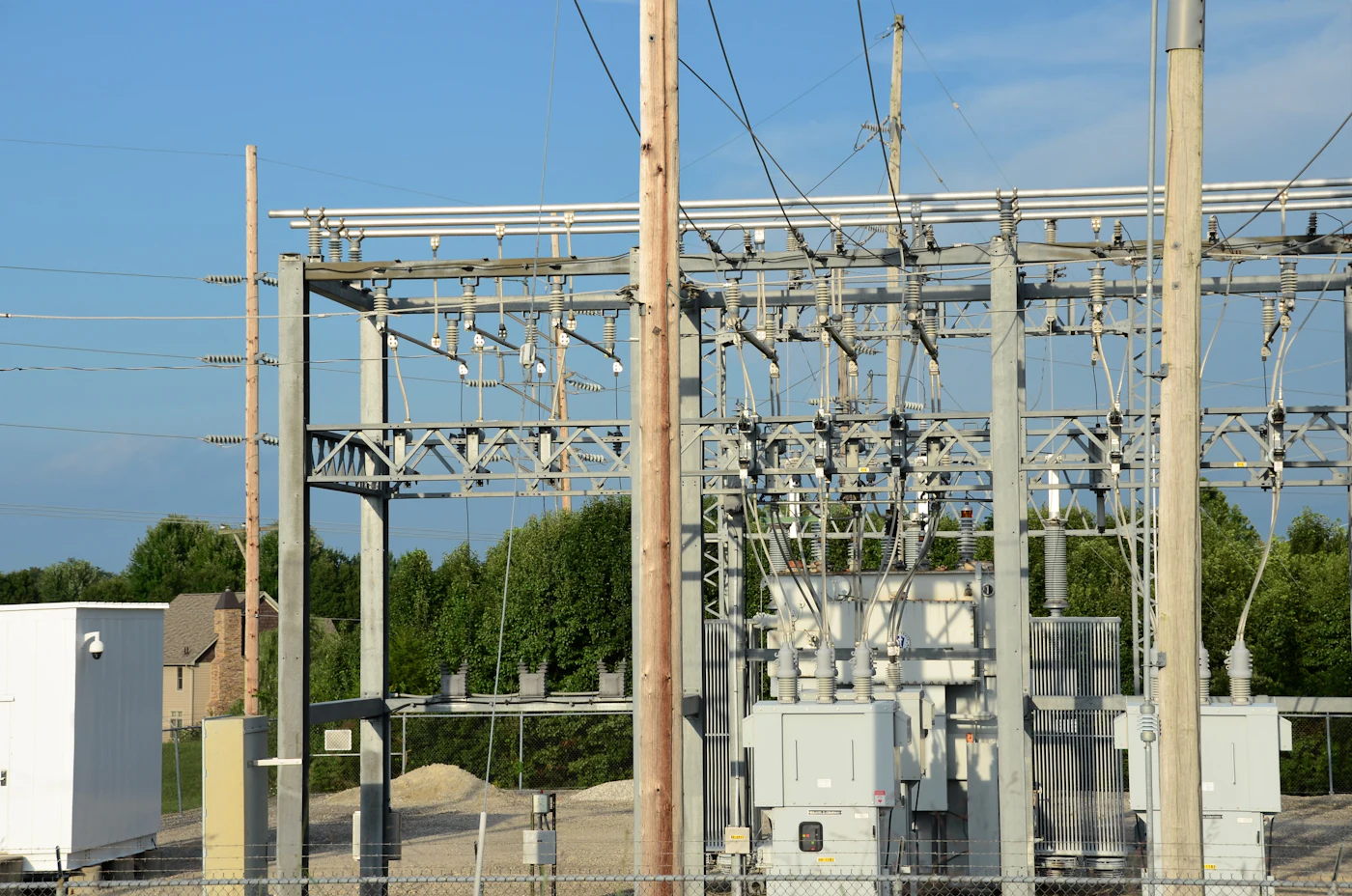
Why Is the Power Transformer Critical?
The power transformer is the energy backbone of any industrial or commercial facility. It steps the grid voltage down to the usable level; all electrical equipment is supplied through the transformer. A transformer failure means the facility shuts down entirely.
The cost of a transformer failure is significant: replacing a medium-power distribution transformer ranges from 200,000 to 2,000,000 TL, with lead times reaching 8-16 weeks. During this period production stops and revenue is lost.
A transformer monitoring system is used to detect this disaster before it happens.
Which Parameters Are Monitored?
Load ratio (kVA / rated kVA): Shows how much of the transformer's capacity is in use. Continuous operation above 80% shortens its lifespan, while above 110% is an overload. Argus EMS presents this value as a real-time chart.
Temperature: Monitoring transformer winding and neutral temperature is the most critical parameter. According to IEEE standards, every 8°C increase halves the transformer's lifespan. Integration is possible via a PT100 sensor or thermometer output.
Voltage and current: Primary/secondary side voltage imbalance, phase current asymmetry and overcurrent provide early warning.
Harmonic distortion (THD): Frequency converters, UPS systems and LED drivers generate harmonics. High THD increases transformer losses and leads to overheating.
No-load loss at night: The loss caused by the transformer's magnetization current while the facility is shut down is tracked. If this value is high, a cost-benefit analysis can be performed for transformer replacement.
How Does a Transformer Monitoring System Work?
Modern transformer monitoring systems read data through a power analyzer using the Modbus TCP/RTU protocol. Schneider PM5xxx, Siemens SENTRON PAC and ABB B-series power analyzers are widely used for this purpose.
The Argus EMS Field Agent runs on the on-site PC and connects to these analyzers at 15-minute intervals. The collected data is transmitted to the central server over MQTT, processed, and visualized on the dashboard.
When critical thresholds are exceeded, the system automatically generates an email alarm; the field team is notified in time to intervene.
Which Facilities Should Monitor Their Transformers?
As a rule, we can say this: if the cost of the operation that a transformer failure would halt is higher than the cost of the monitoring system, then monitoring is mandatory.
- Hospitals and healthcare facilities: A transformer outage affects surgery, intensive care and critical medical equipment.
- Industrial manufacturing: A production line stoppage can mean a loss of hundreds of thousands of TL per day.
- Data centers and telecommunications: Uptime SLA requirements make transformer monitoring mandatory.
- Shopping malls and commercial buildings: Uninterrupted operation is critical for customer experience and tenant satisfaction.
Argus EMS Transformer Module
Argus EMS offers a comprehensive module for transformer monitoring. It connects to your existing power analyzer and requires no additional hardware. Key features:
- Real-time load profile and historical trend charts
- Temperature monitoring and critical threshold alarms
- Harmonic analysis (THD) and reporting
- No-load loss calculation at night
- Phase imbalance detection
- Maintenance schedule integration
Installation typically takes 2-4 hours and runs over your existing Modbus infrastructure.
Monitor Your Transformers with Argus
Test it with your own facility data in a demo session.