How to Extend Transformer Service Life: A Maintenance Guide
27.05.2026 · 7 min read
The factors that determine power transformer service life: temperature, load profile and harmonics. Methods to extend service life using the IEEE C57.91 6°C rule and proactive monitoring.
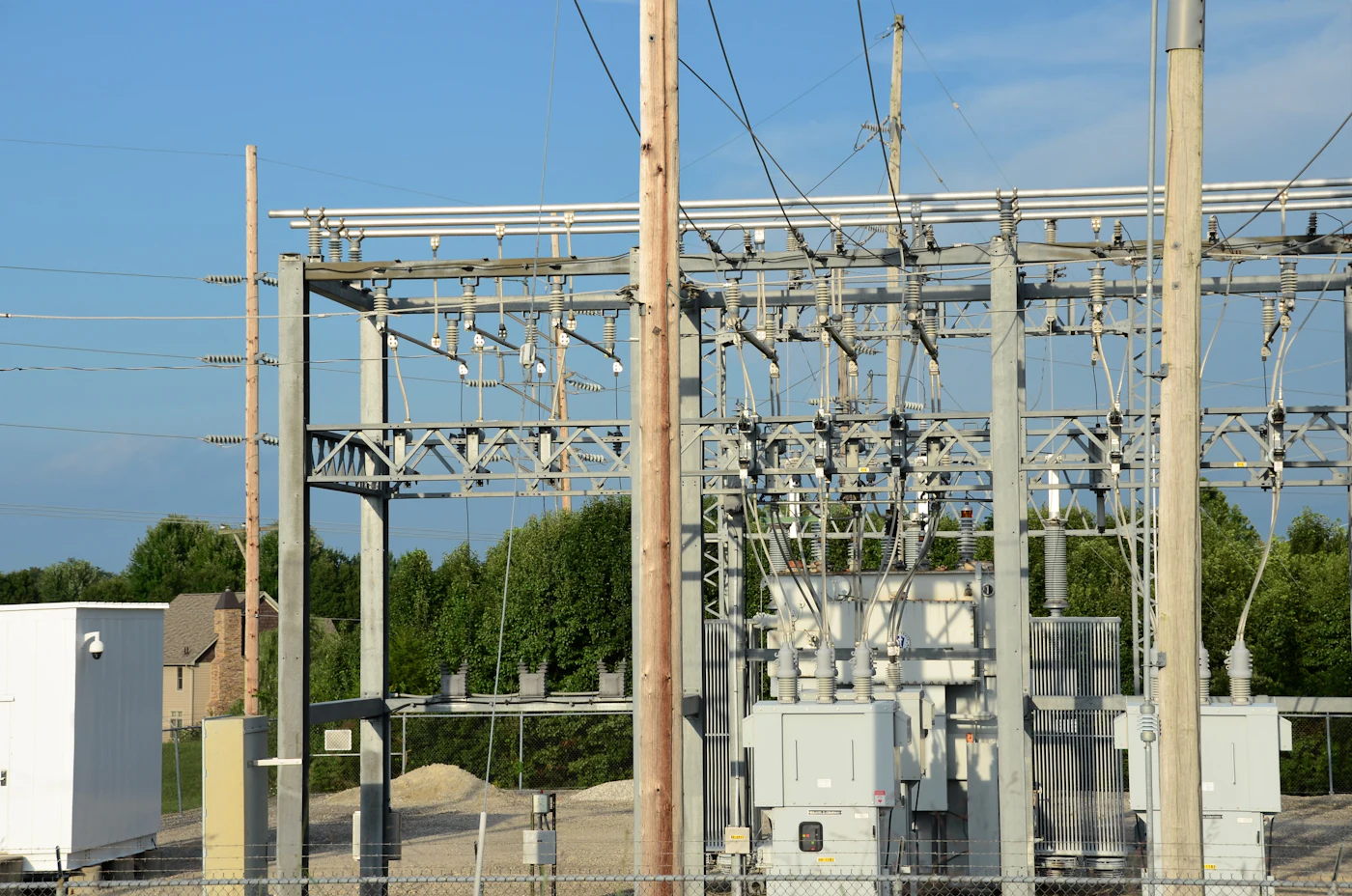
How Long Does a Power Transformer Last?
A distribution transformer designed to standards has a nominal service life of 25-30 years. In practice, however, this period depends largely on operating conditions. A transformer operating under overload, high temperature and harmonic distortion can wear out its service life in 10-15 years. A well-managed transformer, on the other hand, can exceed 40 years.
The Factors That Determine Transformer Service Life
1. Temperature — The Most Critical Factor
The IEEE C57.91 standard states that every 6°C rise in transformer winding temperature halves the insulation service life. This "6°C rule" is the foundation of transformer management:
- At nominal temperature (105°C winding): 20-year expected service life
- With a +6°C overshoot (111°C): ~10 years
- With a +12°C overshoot (117°C): ~5 years
Argus EMS monitors transformer temperature in real time; a warning is triggered at 85°C winding temperature and a critical alarm at 105°C. These warnings give the facility team time to respond.
2. Load Profile
When a transformer operates at 80% of its nominal capacity or below, thermal stress is at a minimum. When the load ratio exceeds 100%, each additional percentage point raises the temperature disproportionately. What matters is the duration of the peak load — a short-term overshoot is acceptable, but an overshoot lasting for hours causes serious damage.
3. Harmonic Distortion (THD)
Variable frequency drives (VFDs), UPS units, LED lighting and computer power supplies generate harmonic currents. These currents cause additional heat loss in the transformer. In systems with THD > 10%, it is recommended to operate the transformer at 85% of its nominal capacity.
4. Voltage Fluctuation
Continuous low or high voltage strains the transformer core. If the voltage stays outside ±5% of nominal, it should be investigated.
5. Humidity and Environmental Conditions
In dry-type transformers, humidity causes the insulation to degrade rapidly. In oil-filled transformers, oil quality (moisture, acid number, dielectric strength) requires periodic analysis.
Proactive Transformer Management with Argus EMS
In transformer monitoring, Argus EMS continuously records the following parameters:
- Primary and secondary voltage (V)
- Phase currents (A) and load ratio (%)
- Total active power (kW) and power factor
- THD (total harmonic distortion percentage)
- Winding temperature (with sensor connection)
- Monthly maximum load and the time the peak occurs
The Loss of Life (LOL) thermal score calculated from this data shows the maintenance engineer which transformer needs attention and when. The shift from reactive to proactive maintenance reduces unplanned outage costs by 60-80%.
5 Practical Steps to Extend Transformer Service Life
- Load balancing: Phase imbalance is kept below 10%; loads are distributed equally across the three phases.
- Harmonic filtering: THD is suppressed with passive or active harmonic filters.
- Cooling system maintenance: Fans and radiators are cleaned; the oil circulation pump is checked.
- Periodic oil analysis: An oil sample is taken once a year; dielectric strength and moisture analysis are performed.
- Continuous monitoring: Instantaneous anomalies are detected early with an EMS such as Argus EMS.
Frequently Asked Questions
Put It Into Practice with Argus EMS
Request a demo and let our experts assess the application at your facility.