Transformer Load Ratio: Meaning and Calculation
Neva Otomasyon · 07.06.2026 · 6 min read
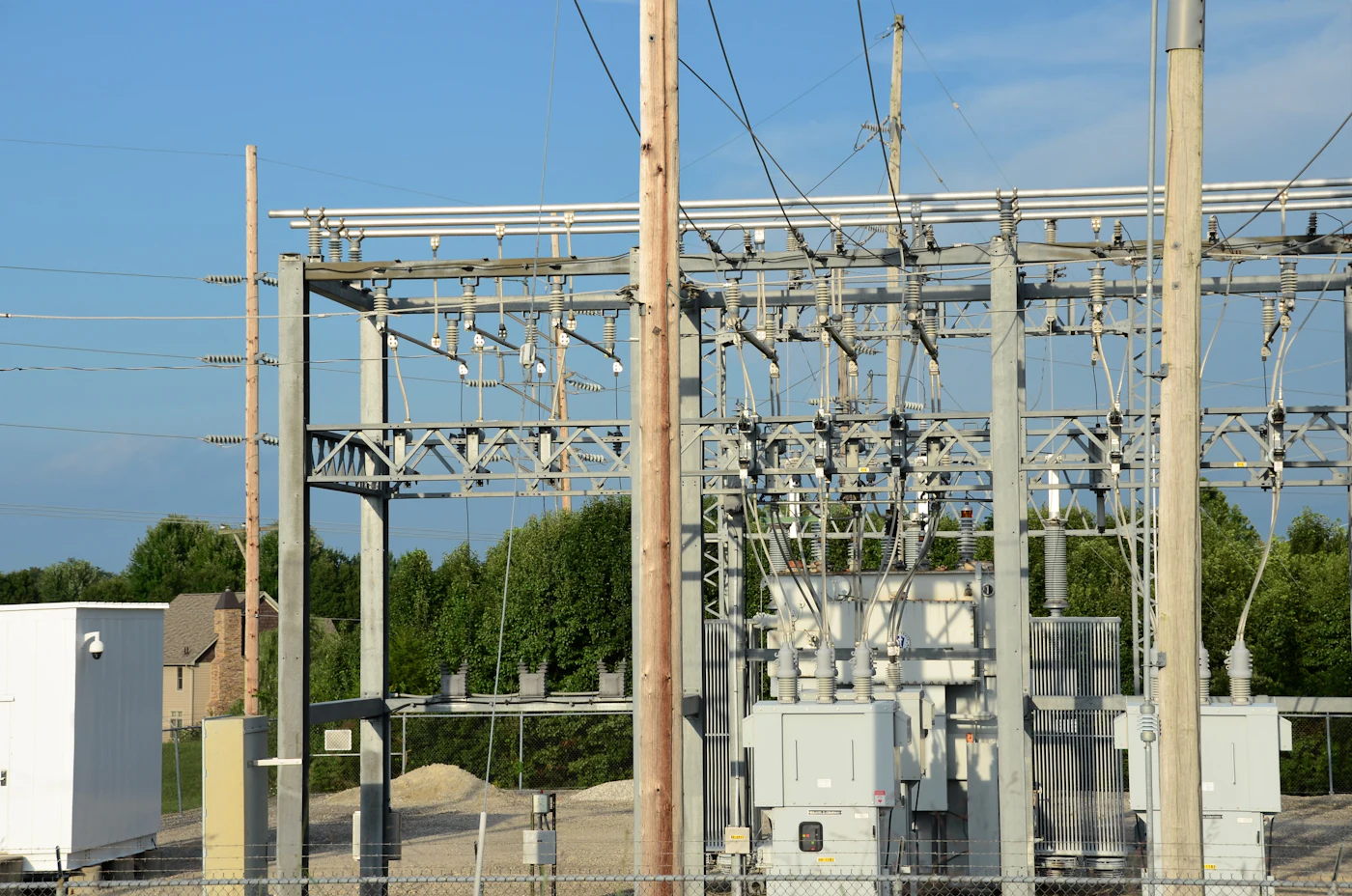
What Is Transformer Load Ratio?
Transformer load ratio is the percentage obtained by dividing the apparent power (kVA) a power transformer is currently drawing by its rated nameplate capacity. For example, if a transformer rated at 1000 kVA is drawing 650 kVA, the load ratio is 65%. This ratio is the most fundamental indicator of how efficiently and safely a transformer is operating. Argus EMS derives transformer load ratio from field measurements and keeps it continuously visible on a single dashboard.
How Is the Load Ratio Calculated?
Three quantities are needed: the measured apparent power (S, kVA), the transformer's rated power, and the reference period. The load ratio is found with: load ratio = (S_measured / S_rated) × 100. Apparent power is the vector sum of the active (kW) and reactive (kVAr) components; therefore a low power factor loads the transformer more for the same active load. Argus EMS reads these values from on-site power analyzers over Modbus and reports the instantaneous, average, and peak load ratio separately.
Ideal Load Ratio Range
The table below summarizes reference loading zones for typical distribution transformers. The values reflect general engineering practice; final limits should be set according to manufacturer data.
| Load Ratio | Zone | Comment |
|---|---|---|
| 0–40% | Low load | Idle capacity; the initial investment may be underused |
| 40–75% | Ideal | Efficient and safe operating zone |
| 75–100% | High load | Temperature and losses rise; monitoring must be tightened |
| 100%+ | Overload | Insulation life shortens rapidly; immediate action required |
Why Does Continuous Monitoring Matter?
Transformer load fluctuates widely during the day and across seasons. A one-off measurement can miss the overload that occurs during midday peak hours. Continuous monitoring reveals when peak demand occurs, the relationship between temperature rise and load, and the trend data needed for capacity planning. Argus EMS raises an automatic alarm when the load ratio exceeds a defined threshold and presents historical trends as charts, basing new-transformer or load-redistribution decisions on data.
Ways to Reduce the Load Ratio
- Compensate reactive power to reduce apparent power (kVA) — power factor correction.
- Distribute loads evenly across phases and time to shave peak demand.
- Share load between heavily loaded transformers.
- Plan capacity upgrades in time based on trend data.
To measure the impact of all these steps, the transformer load ratio must be compared before and after correction; Argus EMS reports this comparison automatically.
Related Content