Monitor Solar Plant Production In Real Time
Inverter efficiency, string currents, self-consumption ratio, and grid export on a single screen. Detect performance loss within minutes.
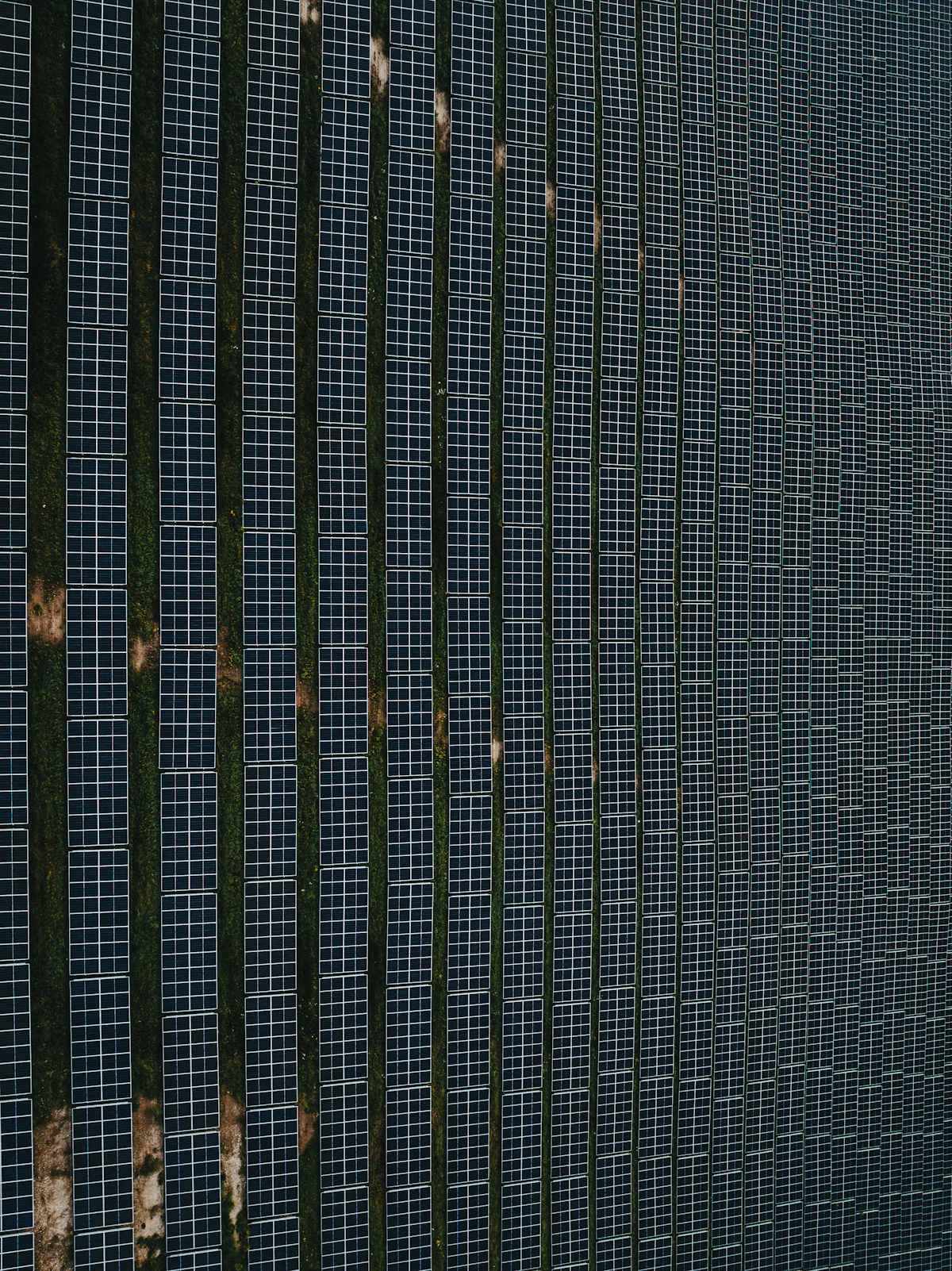
Solar Plant Efficiency
Expected returns on solar investments depend on inverter and panel efficiency. A single string dropping due to shading, soiling, or a fault can reduce daily output by 10–20%.
Argus EMS reads inverter data via Modbus and visualises instantaneous kW output, DC string currents, AC output quality, and daily kWh totals. Expected vs actual production deviation alarms are sent within minutes.
The self-consumption and export balance is clearly visible; peak operating hours and seasonal production trends are easy to analyse.
Solar Module
- Per-inverter production tracking (daily/monthly/yearly)
- String current imbalance alarm
- Performance Ratio (PR) calculation
- Self-consumption vs grid export separation
- Expected vs actual production deviation alarm
- Weather correlation (irradiance, temperature)
- Return on investment (ROI) tracking report
Where Does Production Loss Come From?
Most of the yield loss in solar plants comes from invisible causes. Argus detects each one separately.
Panel Soiling
Dust, pollen, and bird droppings coat the panel surface. In dry summer months, efficiency can drop 5–15%. The expected vs actual production gap signals cleaning time and also avoids unnecessary cleaning cost.
Shading & Layout
Shade from a tree, chimney, or neighbouring row drops a single string and affects the whole MPPT block. The string current imbalance alarm detects the shaded array within minutes.
Inverter Overheating
A cooling fan failure or high ambient temperature puts the inverter into protective derating mode and curtails output. The inverter temperature register is monitored to warn before derating.
DC Arc & Insulation
A damp cable connection or aging connector lowers insulation resistance, creating a fire risk. The inverter's insulation and fault codes are read to raise a safety alarm.