Detect Transformer Faults Before They Happen
Transformer monitoring software tracks load ratio, temperature, and efficiency, preventing unplanned outages. Schneider, ABB, Siemens Modbus TCP integration.
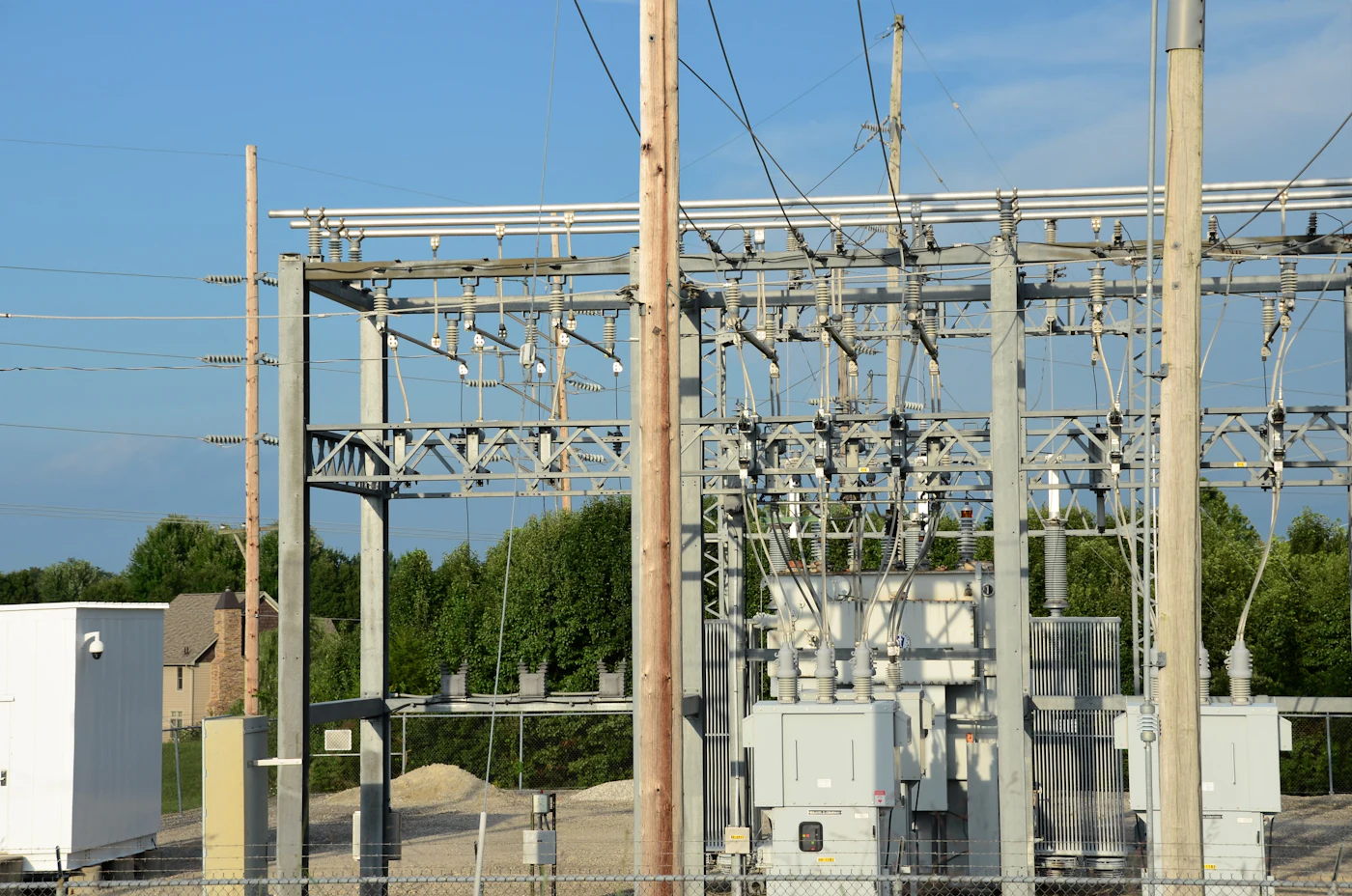
The Value of Transformer Monitoring
The power transformer is the energy heart of a facility. Overload, harmonic distortion, or cooling system failure can cause permanent damage. Without transformer monitoring software, these signs go unnoticed. Replacement cost is in the hundreds of thousands of TL; delivery time is 8–16 weeks.
Constantly exceeding the critical temperature threshold dramatically shortens lifespan. Every 10% excess temperature halves the service life. Argus continuously reads temperature sensors and alerts before thresholds are crossed.
Transformer Module
- Instantaneous load percentage (kVA / nominal kVA)
- Primary/secondary voltage and current measurement
- Thermometer / PT100 temperature integration
- Harmonic distortion (THD) tracking
- Night idle-running loss analysis
- Temperature-load correlation chart
- Critical threshold alarms (email + dashboard)
- Load balance — phase symmetry analysis
What Damages a Transformer?
Most transformer faults develop slowly and their first signs are measurable. Argus catches these early signals.
Overheating
Continuously exceeding the nominal winding and oil temperature limit ages the insulation material. Per the Arrhenius rule, every 6–8°C increase halves the service life. Monitoring the temperature trend detects a cooling fault or overload early.
Sustained Overload
Exceeding 100% load ratio (kVA / nominal kVA) is not an instant danger; but prolonged operation above 80% creates cumulative thermal stress. Argus reports the load duration distribution, providing data for transformer-upsizing or load-shifting decisions.
Harmonic Distortion
Variable-frequency drives, UPS units, and LED drivers produce harmonic currents. High THD causes extra heat loss (eddy currents) in the transformer and neutral overloading. THD measurement objectively shows the need for a harmonic filter.
Phase Imbalance
A current difference between phases overloads a single winding and raises the neutral current. Imbalance exceeding 10% means both loss and wear. Phase symmetry analysis points to the panel where load distribution must be corrected.