Electricity · Water · Gas Main Meters · Transformer · Energy Analyzer · UPS · Generator — Modbus, M-Bus, MQTT
Electricity, water and gas main meters, energy analyzers, UPS and generators on one screen. Smart forecasting from bed-occupancy and external weather data, 30-day MQTT buffer.
Even if the internet drops, the on-site PC safely buffers readings in a local queue for up to 30 days; when the link returns, everything replays in order and duplicate-free.
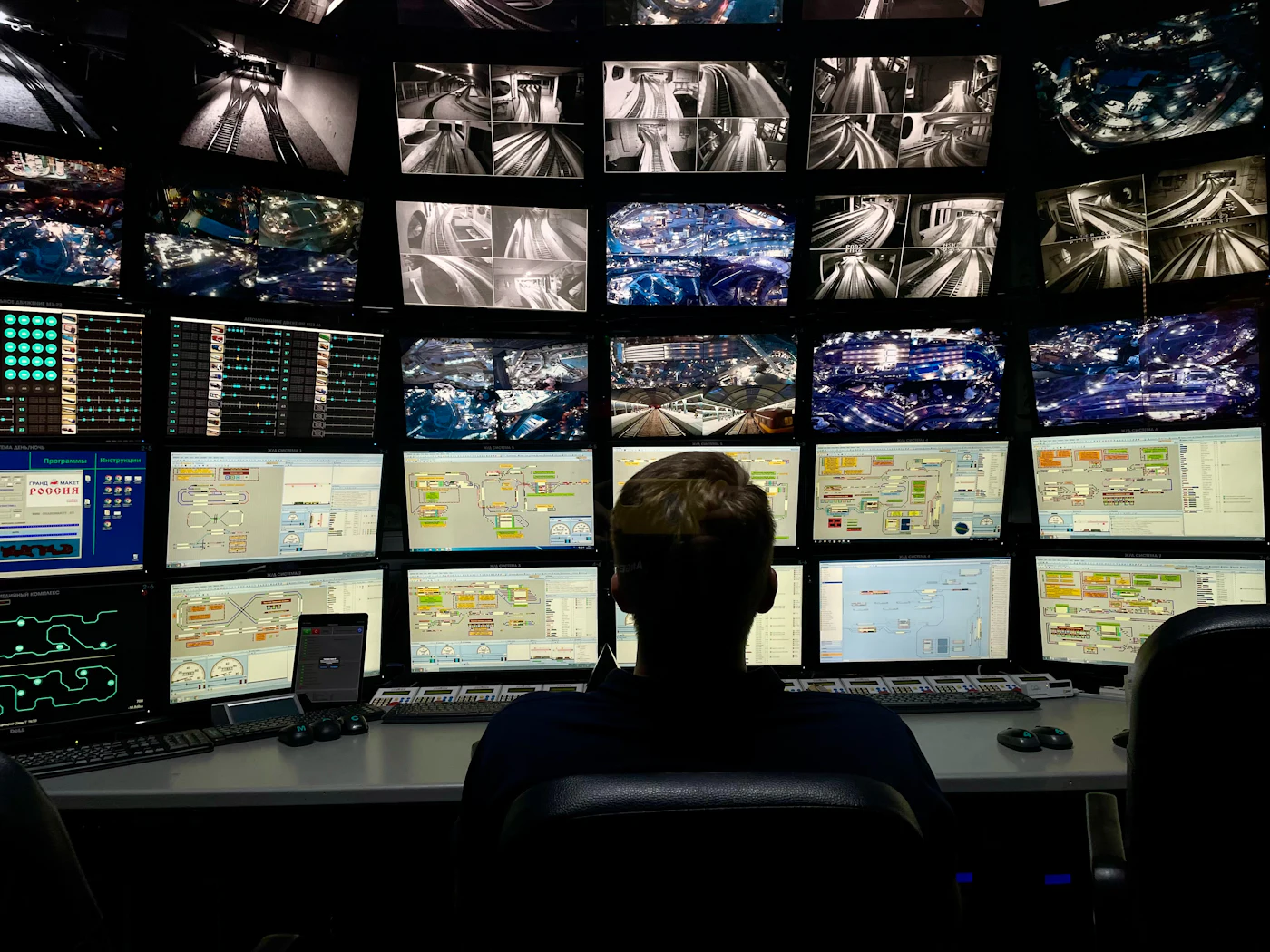
Every floor, transformer and UPS monitored in real time — energy flows from field to dashboard. The digital twin below lights up floors as they consume.
Scroll down — the panel animates each step for you.
Transformer, UPS, generator, water & gas — live power, power factor and cost on one board.
As the cumulative reactive ratio nears the EPDK limit, a staged alert fires; compensation kicks in and the penalty is avoided.
Weather + occupancy + seasonal memory forecast the month-end cost with a confidence band — no surprises.
Most EMS solutions corner you before deployment, not after — at every step, from device selection and license pricing to integration and support duration.
The vendor who installs the system also dictates which devices you must use; your decades-long brand preferences, existing inventory and supplier relationships in the field are dismissed in a single stroke.
It connects to whatever is on site regardless of brand, using the Modbus TCP/RTU, M-Bus and DSE protocols — hundreds of different energy analyzers, transformer protection relays, UPS units and water meters are supported at no extra cost.
Annual license fees become an unpredictable line item in your budget; pricing structures based on user count, device count or per-module charges multiply your costs as you scale the system.
With a transparent and predictable cost structure, you receive no surprise invoices and pay no module-activation fees as you grow your system — budget planning stays entirely in your hands from start to finish.
Closed APIs and proprietary data formats turn connecting your energy data to your ERP, accounting or BMS system into a process requiring weeks-long support tickets and additional development fees.
All data is accessible through an open REST API; integration with ERP, accounting software or enterprise reporting platforms is completed within a day using standard methods.
To define a new alarm threshold, add a report template or onboard a new device deployed in the field, you open a ticket, wait for weeks and, more often than not, pay an extra fee.
Device templates, alarm rules and reporting structures are updated within minutes from the web interface; while your field team is in Ankara, the configuration of the facility in Istanbul changes instantly.
Over the years you become so dependent on the system, its data format and vendor support that you can no longer negotiate on price, and seeking an alternative is treated as an operational risk.
Your data belongs to you in standard formats, with full control over the source code; a local team provides same-day support and custom dashboard development tailored to your needs requires no extra contract.
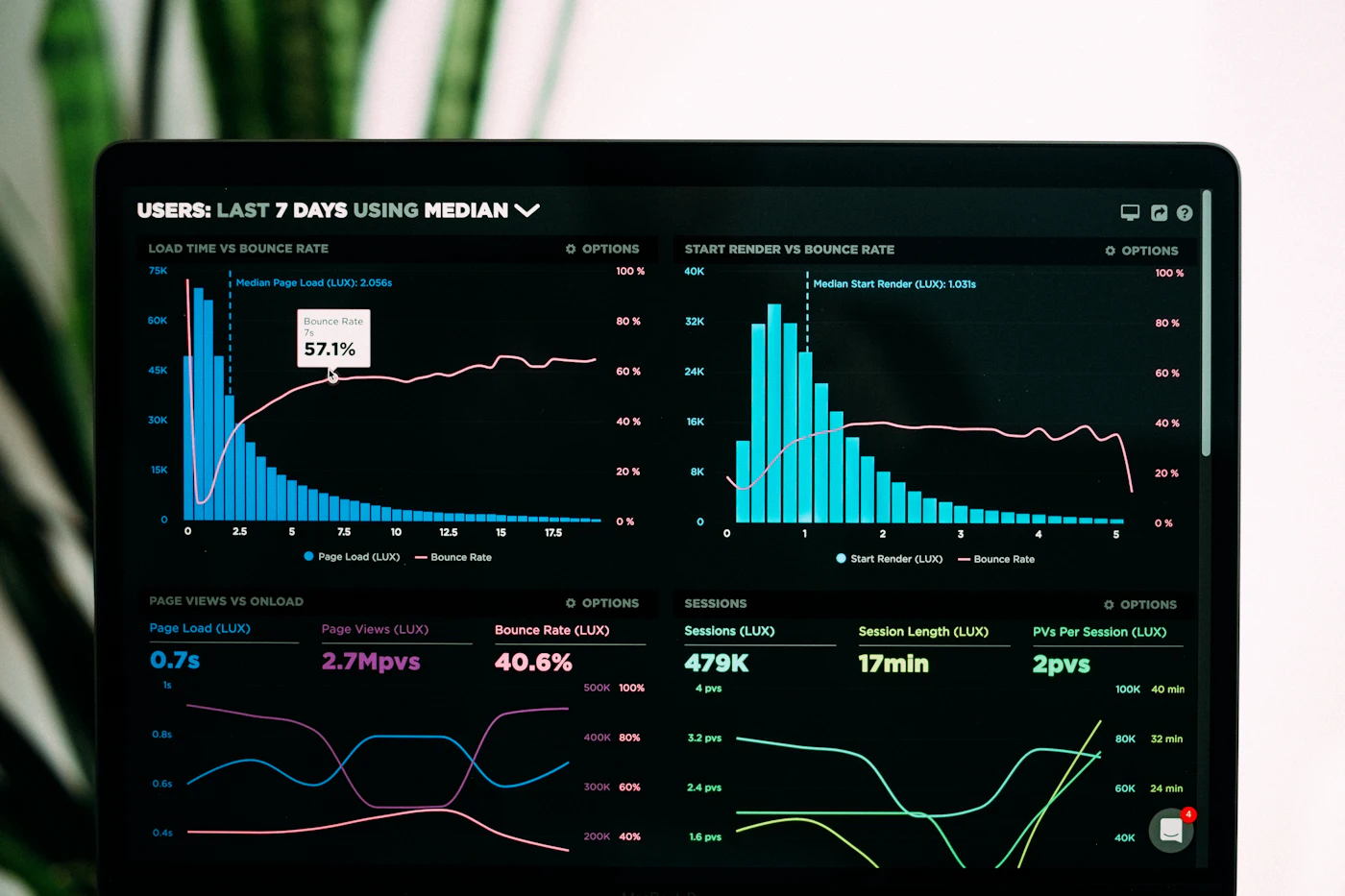
Occupancy rate, weather and seasonal patterns are combined to automatically calculate next year's energy budget. No surprises at the start of the month; deviation alerts are instant.
From real-time monitoring to automated billing, from smart projection to the alarm engine — all in a single integrated platform.


Each module works on its own — together they are stronger.
Electricity, water and gas main meters on one platform — no double-counting when a transformer exists.
kVA, power factor, THD, peak demand, phase imbalance — in real time.
Battery %, load, generator RPM, fuel, ATS transfer events.
Occupancy + weather + seasonal memory auto-compute next month/year usage and cost.
Tenant billing, external-invoice OCR, PDF generation, payment tracking.
EPDK reactive threshold, overload, UPS critical, device silence, budget deviation.
EnPI catalog, OLS regression, climate-normalized usage, auditor-ready report.
A complete chain from meter data to automated invoicing, from OCR external verification to reporting.
A broad device ecosystem, from industrial Modbus to M-Bus, from the DSE protocol to SNMP.
Monitoring profiles configured to focus on the critical points unique to each sector.


A multivariable forecasting engine driven by real-world factors instead of single-variable projection.
Measurable gains derived from real facilities and real data.
The most frequently asked questions about setup, protocol support and data security.
Technical content on reactive energy, transformer monitoring and OSOS.
Explore the system with your own data in a demo session.