ENERGY SAVING & EFFICIENCY

Start Energy Efficiency With Monitoring

You cannot save what you do not measure. The first step to energy efficiency is monitoring current consumption in real time. Argus EMS meters every transformer, panel and device in your facility every 15 minutes — showing where, when and how much energy is spent, and finding savings opportunities before you do.

%30Industrial savings potential
15 dkMeasurement granularity
%8-18Typical cost reduction
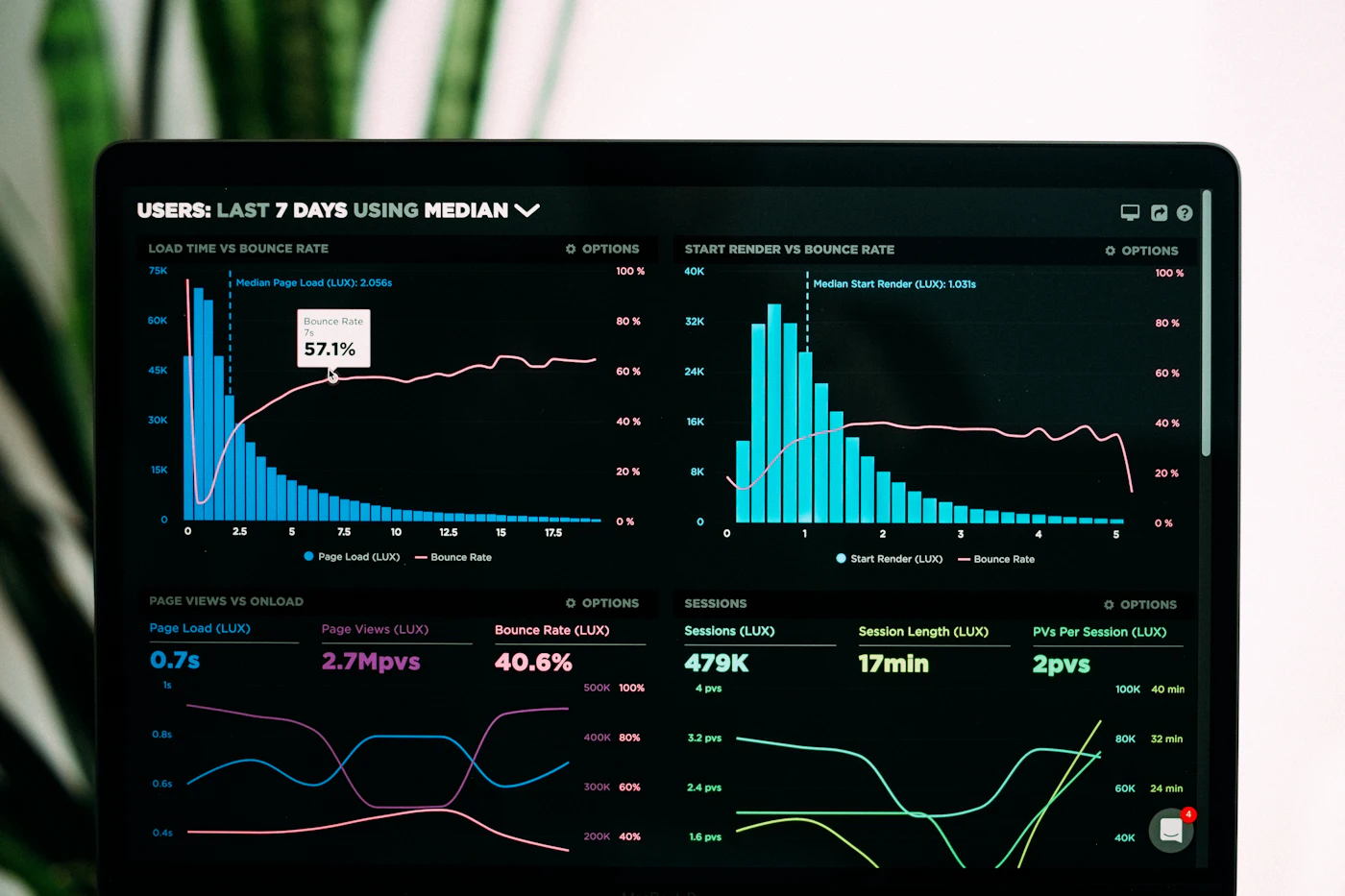
Enerji verimliligi izleme ve tasarruf analizi — Argus EMS

Why Does Saving Start With Monitoring?

Energy saving (using less) and energy efficiency (using smarter) can only be managed with data. Measure, analyse, reduce — and verify the reduction.

01

Measure

15-minute consumption at transformer, panel and device level. A solid data base for an energy audit.

02

Analyse

Shift, day and season comparison; idle-time consumption, loss/leakage and abnormal load detection.

03

Reduce

Act on concrete items like reactive penalty, peak overshoot, power factor and idle-running equipment.

04

Verify

With budget projection and deviation analysis, see whether the saving materialised without waiting for month end.

Concrete Savings Levers With Argus EMS

Efficiency is not an abstract goal; it is trackable, bill-visible line items.

Reactive Penalty Prevention

Monitors the EPDK inductive 20% / capacitive 15% threshold in real time; catches compensation shortfalls before a penalty occurs.

📉

Peak / Maximum Demand

A demand-overshoot alarm shaves peak load in high-cost peak periods, lowering the demand charge.

🔌

Idle Load Detection

Reveals motors, lighting and HVAC running idle after hours and at weekends — the easiest saving.

🔬

Loss/Leakage Analysis

Detects distribution losses and unmetered consumption from the difference between the main meter and sub-meters.

🏆

ISO 50001 Compliance

Supports ISO 50001 energy management certification with EnPI calculation and baseline period analysis.

📊

Power Factor & Harmonics

Monitors hidden losses from low power factor and high harmonics (THD) and prioritises correction.

Frequently Asked Questions

What is the difference between energy saving and energy efficiency?

Energy saving means consuming less energy (e.g. switching off unnecessary loads). Energy efficiency means doing the same work with less energy (e.g. VFDs, LED, compensation). Argus EMS measures and manages both: first it makes consumption visible, then it turns both saving and efficiency opportunities into concrete actions.

Can't I save without monitoring?

You can, but you cannot measure it. The industry-accepted approach is that the first stage of energy efficiency is analysing the current state with monitoring applications. Without measurement you cannot know which measure delivers how much saving; investment priorities are set blindly.

Is 30% saving really possible?

It is stated that around 30% of the energy used in Turkish industry could be saved through efficiency work. The real rate varies by facility; Argus EMS customers typically see an 8-18% cost reduction (including reactive penalty, peak and idle-load items).

Can it be used for an energy audit?

Yes. An energy audit is the detailed examination of consumption and identification of saving potential. Argus EMS's 15-minute raw data and reports provide the measured data base an audit needs, and keep monitoring the effect of measures afterwards.

Let's Measure Your Savings Potential

Let's map your facility's energy profile and see the concrete savings items together.

Request Demo

See Argus at Your Facility

Explore the system with your own data in a demo session.